
The Holidays Are Not a Setback
For a lot of people, the holidays come with a quiet pressure in the background:
Don’t lose your progress. Keep training. Stay on track.
And at some point, movement stops feeling good, it starts feeling like something you have to do.
At Peak, we want to slow that down for a second. Because the holidays aren’t something to “fix.” They’re part of real life.
Why the Holidays Bring Up So Much Guilt
We’ve been taught that being consistent means never missing a beat. That progress is fragile. That one lighter week somehow undoes months of work.
But your body doesn’t operate on a weekly schedule. It responds to what you do over time.
Real progress comes from your ability to adjust, recover, and come back, not from pushing through every single week no matter what.
Guilt doesn’t make you fitter. It just adds stress. And more stress rarely helps anyone feel or perform better.
Movement Isn’t a Way to ‘Make Up’ for the Holidays
This part matters: You don’t need to earn food. You don’t need to compensate for rest. You don’t need to “burn off” celebration.
Movement isn’t a transaction. It’s a tool, one that’s meant to help you feel stronger, calmer, and more connected to your body.
When training turns into control or punishment, it stops doing what it’s supposed to do.
Instead of asking yourself, “Am I doing enough?”
Try asking, “What would actually support my body today?”
Some days that answer is a full session. Other days it’s mobility, a long walk, a ski day with friends, or nothing at all.
That’s not inconsistency. That’s awareness. Listening to your body isn’t a weakness. It’s a skill, and a really important one.
What ‘Staying Active’ Can Look Like Right Now
Training during the holidays doesn’t have to be structured to be useful.
Movement might be:
A ski day that leaves you tired and happy
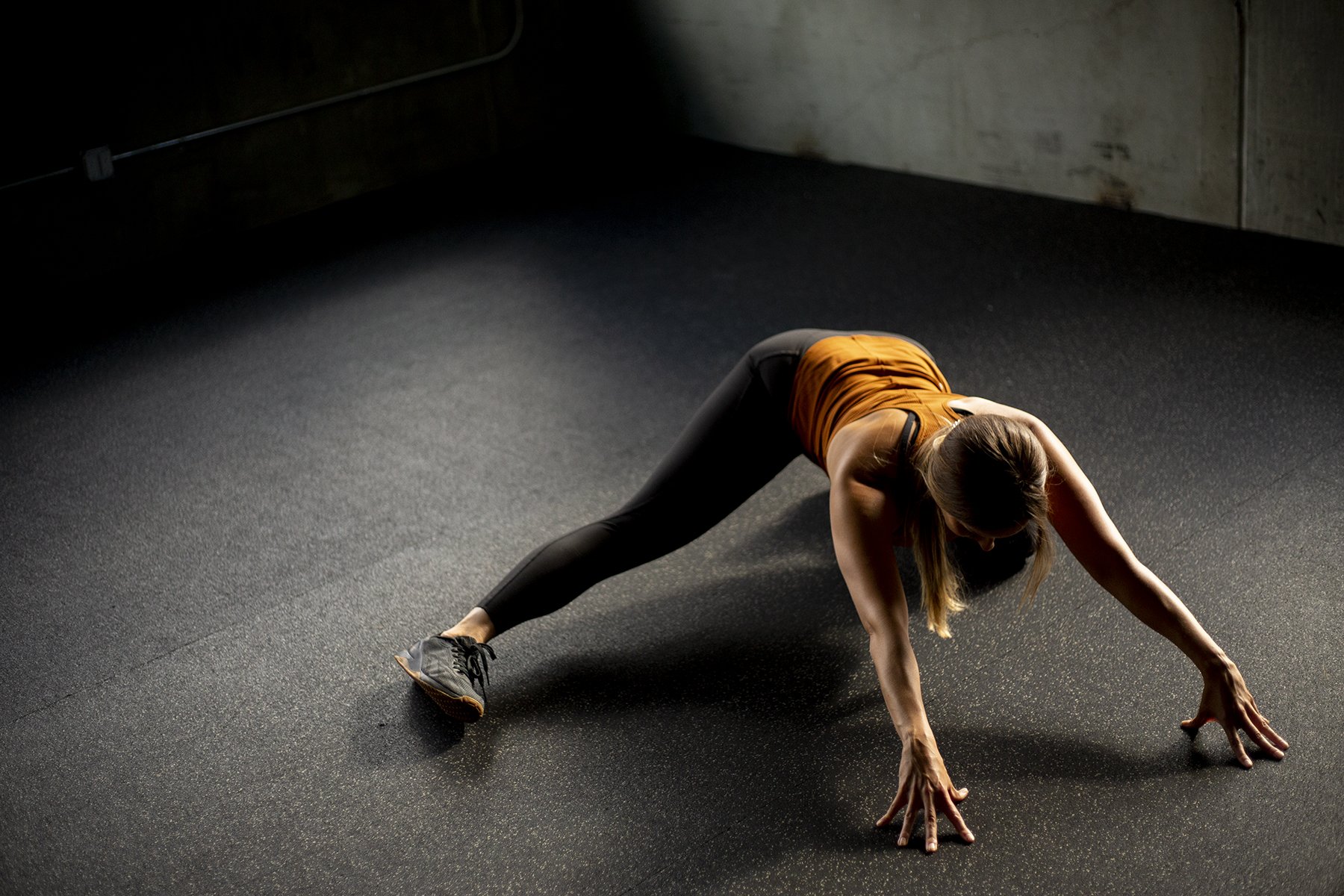
20–30 minutes of strength or mobility
A walk outside to clear your head
Breathing, stretching, or recovery work
Or full rest, without guilt
If it supports your energy, your mood, or your recovery, it counts.
Physically, recovery is where adaptation happens. Mentally, rest gives your motivation room to come back on its own.
If you push through December feeling exhausted and overwhelmed, January won’t suddenly feel easier.
Sometimes the smartest move is to step back, so you can move forward with more clarity and intention.
Quick At-Home Mini Workout
If you want to move but don’t have time or access to a gym, try this simple 15–20 minute routine, no equipment needed:
Flow-style:
20 bodyweight squats
12 push-ups (knees or elevated if needed)
45 sec plank or dead bug
12 reverse lunges per side
60 sec gentle stretching or mobility
Repeat 2–3 rounds, resting as needed. The goal isn’t intensity. It’s checking in with your body and feeling good.
Strength & Cardio Quick Combo
10 Jumping jacks (or step side-to-side if low impact)
10 Glute bridges
8–10 Incline push-ups (on a chair or countertop)
10 Air squats
30–45 sec mountain climbers or high knees
Repeat 2–3 rounds, resting as needed.
This one mixes a bit of cardio, lower body, and upper body strength — still short, simple, and no equipment needed. Perfect for a quick holiday pick-me-up.
Our Approach
At Peak, we don’t believe in all-or-nothing thinking. We believe in training that fits into real life.
That means:
Adapting training to your schedule
Respecting stress, sleep, and recovery
Building a relationship with movement that lasts longer than one season
And one last reminder… Enjoy the food. Enjoy the time. Move if it feels good. Rest if you need it.
Progress isn’t built in a single week, it’s built over years.
And the holidays are part of that story too.