Transition Season: From Skiing to Trail Running and Biking
Right now, we’re in that “in-between” season, where we start mixing winter and summer activities. We might still ski some days, but we’re also thinking about trail runs or mountain biking. This period can be tricky if our bodies aren’t prepared, but with the right approach, we can stay fit, prevent injuries, and step into summer sports smoothly.
Why a Transition Matters
Skiing develops explosive strength, balance, and short-burst endurance, but trail running and biking demand something different. Both rely on repetitive movement, sustained cardiovascular effort, and specific muscular endurance. Jumping straight into long runs or extended rides without giving our bodies time to adjust can quickly lead to fatigue or injury. A thoughtful transition helps our bodies adapt safely while keeping our performance on track.
Gradual Progression
The key is to progress slowly. We should start with shorter distances and lower intensity than we might expect, gradually increasing our training load. Pushing too hard too soon can strain muscles, tendons, and joints that haven’t yet adapted to the repeated impact of running or the sustained effort of biking. Keeping most early sessions at a manageable pace allows our cardiovascular system and muscles to build endurance safely, laying the groundwork for longer, more challenging workouts.
Maintaining Strength
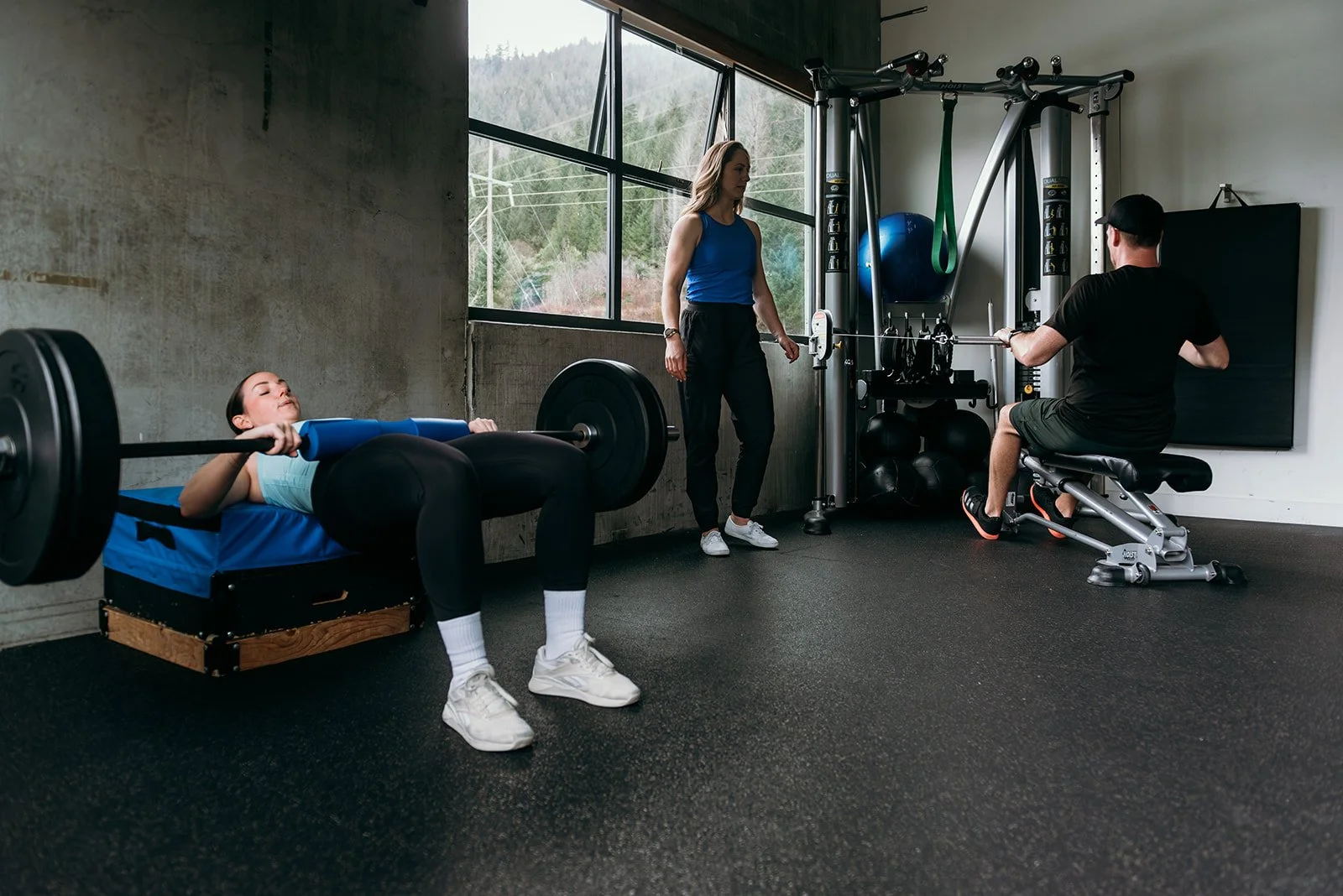
Even though skiing keeps our stabilizers and explosive power in shape, trail running and biking require endurance in slightly different ways. Continuing strength work is essential. Squats, lunges, calf raises, core exercises, and controlled plyometric movements help our legs, core, and balance adjust to the new demands. This preparation reduces the risk of overuse injuries and improves our efficiency on trails or technical terrain.
Gradual Adaptation to Summer Activities
Adapting to new movement patterns is just as important as building strength. Running or biking activates our muscles, tendons, and nervous system differently than skiing. Beginning with shorter, easier sessions while focusing on proper form, posture, and cadence allows our bodies to adapt safely. Technical practice like running on uneven terrain or tackling climbs and descents on a bike also improves stability and efficiency without unnecessary strain.
Neuromuscular and Technical Adaptation
After a ski season, our neuromuscular system needs time to adjust. Cadence, foot placement, and sustained pedaling are all patterns that our bodies may need to relearn. Incorporating short drills, strides, and skill-focused sessions helps us transition smoothly and prepares us for more intense or longer workouts.
Recovery and Load Management
Recovery is a vital part of the transition. Adequate sleep, good nutrition, and mobility work allow our muscles and joints to adapt to new stresses.
A smooth transition between skiing and summer sports comes down to balance and patience. By increasing training gradually, maintaining strength work, adapting to new movement patterns, and prioritizing recovery, we can stay fit, reduce injury risk, and prepare for a strong summer season on the trails or the bike. Done right, this period sets the foundation for both performance and enjoyment.